When children first enter the school environment, there is much needed adjustment time in order for them to make a healthy transition. As new children they are coming into a building unfamiliar to them, they are meeting and getting to know new adults and children, and if they never attended school before, they are leaving their parents for the first time.
All of these new experiences can cause anxiety for the child. As Montessori teachers, we are well aware of your child’s need for time to adjust, and are well prepared in ways to help both the child and parent move through this time with minimal difficulty.
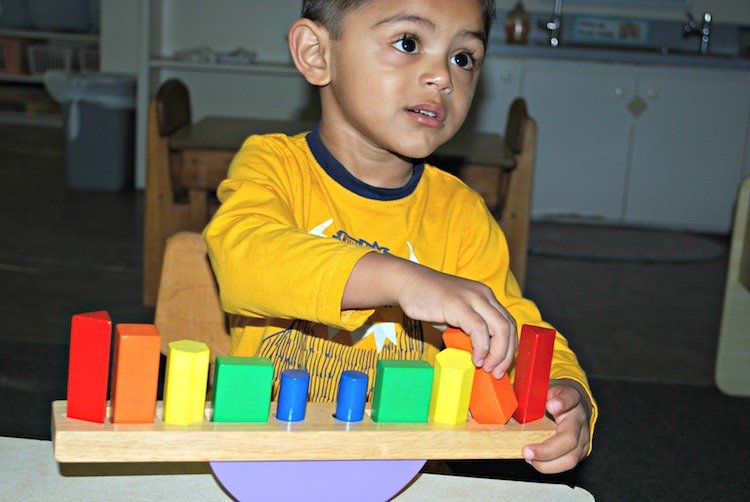
To aid the child’s initial orientation to the classroom environment, the Montessori teacher is always there, ever present to assist the child when necessary. When you bring your child into the classroom and begin to notice that your child is showing interest in the environment, either by socially engaging with others or by interacting with the didactic materials, you can conclude that you have allowed the necessary time for transition, and that you can now begin to leave your child, at least for a short while.
We suggest that you make your departure quick. A brief and definite separation will make it easier for the child to move into school activities. What you say to the child is just as important as how you say it. Your tone will tell the child how you feel, as well as your confidence in him and the situation. A simple, “I am leaving now and will be back a little later,” is all that is really necessary, since it is clear enough to the child, as well as reaffirming.
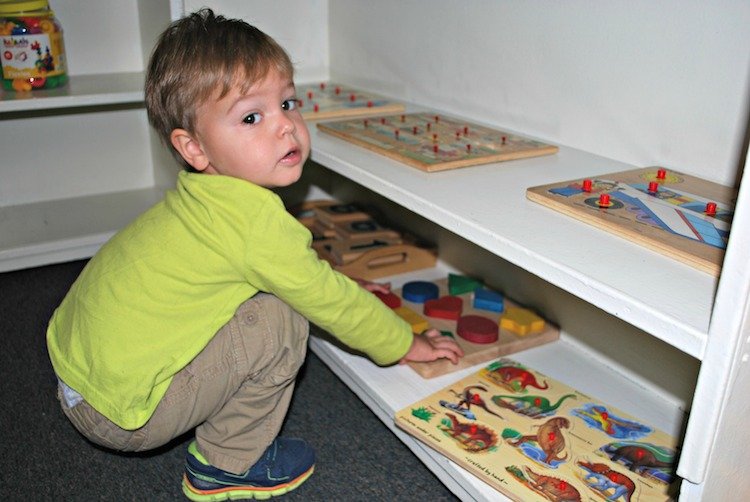
When you indicate that you will be leaving, the child may cry. If your child starts to cry, it is helpful that you continue your course of action with confidence and resolve. To know that you have a feeling of certainty is very comforting to the child.
While you are gone, the teachers will check on your child, reinforce that you will be coming back, and will be there for the child if he shows the need for additional consoling or an empathetic ear.
The young child’s need to cry is natural and even beneficial way that he expresses himself. Since he is still young to verbally tell you how he feels, the only thing he knows to do is cry.
It is important therefore that we acknowledge his need to do so out of a deep respect for his feelings. It is not necessary for the adult to try to distract the child from crying. When we allow an interval before doing something about the child’s distress, it provides an opportunity for healthy ego functioning to develop in a confident and unhurried way.
When your child is ready for something else, please be assured that we will be there to comfort, help him to find an engaging activity, and assist him toward independent functioning. The time we spend in helping your child’s adjustment can have a lifetime effect on his/her sense of security.



 Country Day For Children Montessori
Leave a Reply
You must be logged in to post a comment.